Archives
- 2026-07
- 2026-06
- 2026-05
- 2026-04
- 2026-03
- 2026-02
- 2026-01
- 2025-12
- 2025-11
- 2025-10
- 2025-09
- 2025-03
- 2025-02
- 2025-01
- 2024-12
- 2024-11
- 2024-10
- 2024-09
- 2024-08
- 2024-07
- 2024-06
- 2024-05
- 2024-04
- 2024-03
- 2024-02
- 2024-01
- 2023-12
- 2023-11
- 2023-10
- 2023-09
- 2023-08
- 2023-07
- 2023-06
- 2023-05
- 2023-04
- 2023-03
- 2023-02
- 2023-01
- 2022-12
- 2022-11
- 2022-10
- 2022-09
- 2022-08
- 2022-07
- 2022-06
- 2022-05
- 2022-04
- 2022-03
- 2022-02
- 2022-01
- 2021-12
- 2021-11
- 2021-10
- 2021-09
- 2021-08
- 2021-07
- 2021-06
- 2021-05
- 2021-04
- 2021-03
- 2021-02
- 2021-01
- 2020-12
- 2020-11
- 2020-10
- 2020-09
- 2020-08
- 2020-07
- 2020-06
- 2020-05
- 2020-04
- 2020-03
- 2020-02
- 2020-01
- 2019-12
- 2019-11
- 2019-10
- 2019-09
- 2019-08
- 2018-07
-
We then evaluated in vivo DHODH mRNA expression using
2020-07-28
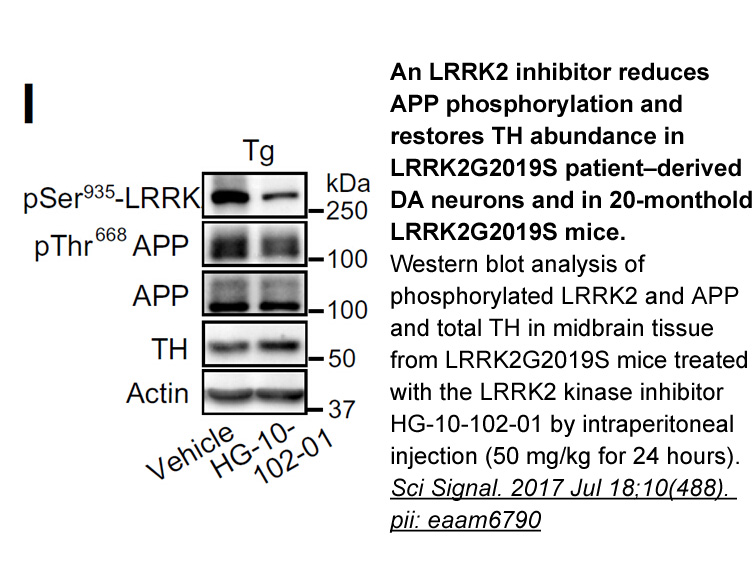
We then evaluated in vivo DHODH mRNA Irsogladine using data from TCGA (Lee, Palm, Grimes, & Ji, 2015). To perform a pan-disease comparison of DHODH expression, log2 TPM expression values were converted to z-scores calculated per patient. Fig. 6 shows that across all 34 diseases (9726 unique patient
-
DDR AND LUNG SCCS In an
2020-07-28
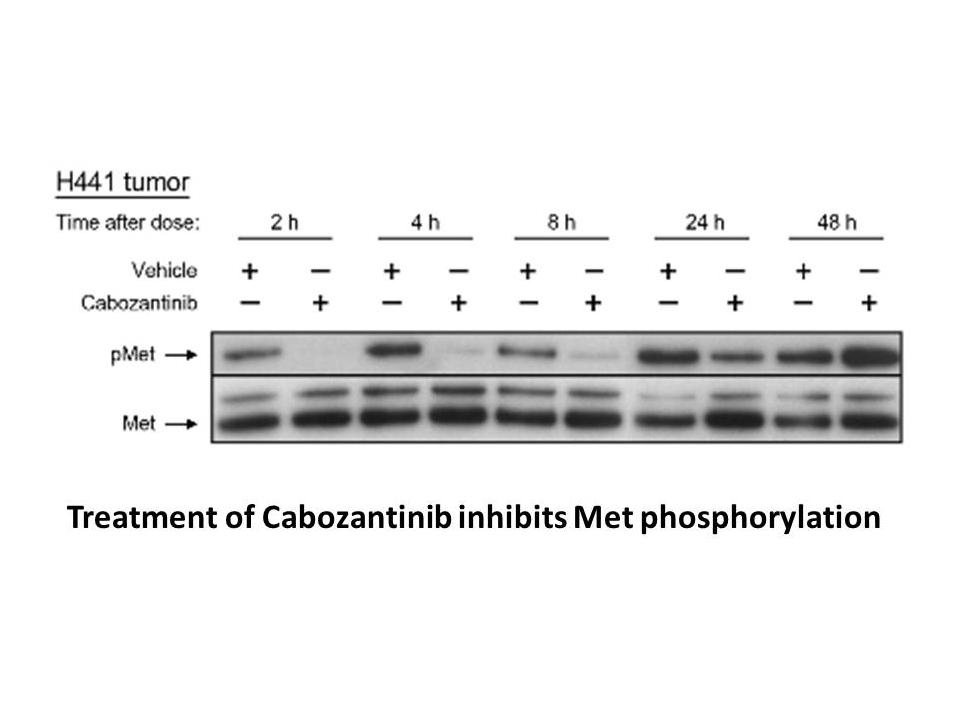
DDR2 AND LUNG SCCS In an neuroscience peptides sequencing study, Hammerman et al. identified the discoidin domain receptor 2 (DDR2) gene as a potential oncogenic target in lung SCC. The authors screened 290 tumors and cell lines and reported a 3.8% incidence of DDR2 point mutations in lung SCC sam
-
br Introduction Glioblastoma GBM World Health Organization W
2020-07-28
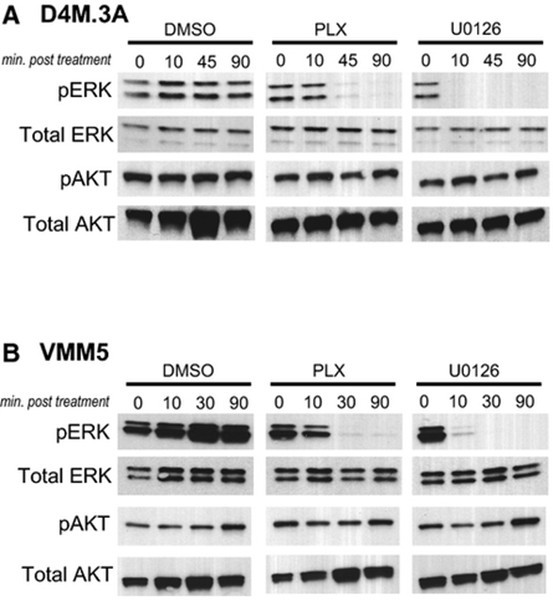
Introduction Glioblastoma (GBM; World Health Organization [WHO] grade IV gliomas) remains one of the most difficult-to treat-tumor types, as multiple genetic lesions promote therapy resistance, complemented by severe destructive infiltration of the surrounding pentylenetetrazol synthesis (Louis
-
br Conflict of interest br Acknowledgments The colored
2020-07-28

Conflict of interest Acknowledgments The colored figures in this paper were evaluated to ensure that their perception was accurately conveyed to colorblind readers [139]. The author thanks Laura M. Roskoski for providing editorial and bibliographic assistance. I also thank Josie Rudnicki and J
-
Corticotropin releasing factor CRF is strongly implicated in
2020-07-28
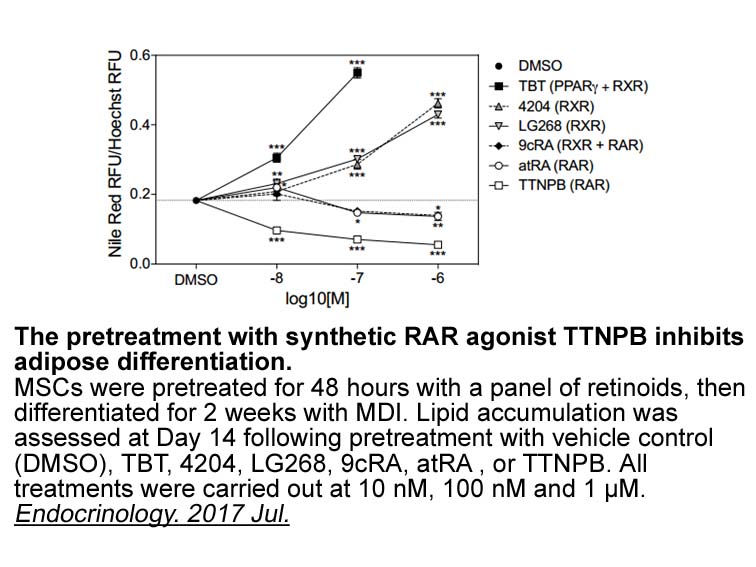
Corticotropin-releasing factor (CRF) is strongly implicated in negative affect and anxiety states (Radulovic et al., 1999, Takahashi, 2001, Bale and Vale, 2004, Bale, 2005, Lukkes et al., 2009b). Activation of the CRF2 receptors within the serotonergic cell body region, the dorsal raphe nucleus (dRN
-
Picrotoxin mg A putative locus for both the basal deficits i
2020-07-28
A putative locus for both the basal deficits in cued fear learning as well as its normalization by CP154,526 may be the serotonergic projections originating from the dorsal raphe nucleus that innervate several Picrotoxin mg areas implicated in fear learning, including the central amygdala and hippo
-
It has been emphasized that CRF
2020-07-28
It has been emphasized that CRF can activate Gs-protein-coupled CRF1 or CRF2 receptors triggering the cAMP-PKA cascade pathway (Chang et al., 1993, Chen et al., 1993, Lovenberg et al., 1995, Perrin et al., 1995, Vita et al., 1993). Moreover, both receptor subtypes have been found strongly expressed
-
Exon encodes a section of the extracellular
2020-07-28
Exon 3 encodes a section of the extracellular ligand-binding domain and two variants in the 5′ region were first identified in Drosophila melanogaster (Semenov and Pak, 1999). These variants were initially termed modules 1 and 2 and correspond to exons 3a and 3b, respectively. To date, exon 3 altern
-
Previous modeling studies as well as more recent
2020-07-27
Previous modeling studies as well as more recent crystal structures of ETB proposed several models of ETB/ligand interaction [7], [9], [18]. Our studies indicate the second β-strand and a short linker region in ECL2 as well as the N-terminus of ETB (Fig. S1) as essential selectivity filters for seve
-
Although PQQ has nutritional importance and
2020-07-27
Although PQQ has nutritional importance and pharmacological effects in higher organisms, including humans [15], until recently, there was no clear evidence for the use of PQQ as a co-factor in a eukaryotic enzyme. This review presents a novel eukaryotic PQQ-dependent quinohemoprotein recently discov
-
It is outside the scope of
2020-07-27
It is outside the scope of this review to discuss all members of the Ca2+-signaling toolkit involved in the modulation of autophagy and we will focus here only on those that are necessary for the topic of this review (see Section 5), i.e. CaM, the inositol 1,4,5-trisphosphate (IP3) receptor (IP3R) a
-
CYP reaction phenotyping showed that piperine and SCT are
2020-07-27

CYP450 reaction phenotyping showed that piperine and SCT-29 are cleared by a single enzyme, CYP1A2 and CYP2C9, respectively, and thus are more sensitive to drug–drug interactions. CYP2C9 contributed significantly in the oxidative metabolism of all analogs. Genetic polymorphism of CYP2C9 may lead to
-
The enantiomeric ratio ER of
2020-07-27
The enantiomeric ratio (ER) of chiral compounds accumulated in organisms has been found to be different among species (Borga and Bidleman, 2005, Harner et al., 1999, Warner et al., 2005, Wiberg et al., 2000), indicating enantioselective accumulation of chiral compounds are species-specific. The ER o
-
NECA br Discussion Our present data show that neuroleptics c
2020-07-27
Discussion Our present data show that neuroleptics can affect CYP3A via a direct interaction with the enzyme and a significant indirect mechanism (enzyme regulation) produced in vivo. The obtained results revealed interactions of the neuroleptics (added in vitro to control liver microsomes, Model
-
CYP A is involved in the
2020-07-27
CYP3A is involved in the enzymatic BINA of many therapeutic agents [29]. The activity of BFCOD has been used to monitor CYP3A activity in humans [30], pigs [31], mice [32], and fish [23]. The predominant isoform expressed in the human liver is CYP3A4 [33]. In pigs, CYP3A29 contributes most to CYP3A
14739 records 818/983 page Previous Next First page 上5页 816817818819820 下5页 Last page