Archives
- 2026-06
- 2026-05
- 2026-04
- 2026-03
- 2026-02
- 2026-01
- 2025-12
- 2025-11
- 2025-10
- 2025-09
- 2025-03
- 2025-02
- 2025-01
- 2024-12
- 2024-11
- 2024-10
- 2024-09
- 2024-08
- 2024-07
- 2024-06
- 2024-05
- 2024-04
- 2024-03
- 2024-02
- 2024-01
- 2023-12
- 2023-11
- 2023-10
- 2023-09
- 2023-08
- 2023-07
- 2023-06
- 2023-05
- 2023-04
- 2023-03
- 2023-02
- 2023-01
- 2022-12
- 2022-11
- 2022-10
- 2022-09
- 2022-08
- 2022-07
- 2022-06
- 2022-05
- 2022-04
- 2022-03
- 2022-02
- 2022-01
- 2021-12
- 2021-11
- 2021-10
- 2021-09
- 2021-08
- 2021-07
- 2021-06
- 2021-05
- 2021-04
- 2021-03
- 2021-02
- 2021-01
- 2020-12
- 2020-11
- 2020-10
- 2020-09
- 2020-08
- 2020-07
- 2020-06
- 2020-05
- 2020-04
- 2020-03
- 2020-02
- 2020-01
- 2019-12
- 2019-11
- 2019-10
- 2019-09
- 2019-08
- 2018-07
-
A genomic DNA sequence was retrieved
2020-07-20
A genomic DNA sequence was retrieved (Scaffold_30) from the fugu genomic database ( v3.0), which encodes the homolog of CXCL8 of many other vertebrates and specific primers CXCL8F1 and CXCL8R1 () were designed for 3′-RACE and 5′-RACE PCR, respectively. First-strand thymus cDNA was used as template.
-
The Czech Republic is a country with increasing CDI
2020-07-20
The Czech Republic is a country with increasing CDI incidence (1.1 cases per 10,000 patient bed-days in 2008–4.4 cases in 2011–2012 and 6.2 cases per 10,000 patient bed-days in 2012–2013) (Bauer et al., 2011, Davies et al., 2014) and relatively high rates of antibiotic resistant C. difficile strains
-
Our study demonstrates that the duration of
2020-07-20
Our study demonstrates that the duration of storage under the conditions analysed did not have a major effect on the recovery efficiency for any of the swabs (Fig. 1). However, up to 4-fold differences in the recovery efficiencies were observed between the different swabs tested (Fig. 2). Using the
-
Tacrine amino tetrahydroacridine I Fig was the first
2020-07-20
Tacrine (9-amino-1,2,3,4-tetrahydroacridine) (I, Fig. 1) was the first AChEI to be approved by the Food and Drug Administration (FDA) for the treatment of AD [25], [26], [27], [28]. However, despite its good AChE inhibitory activity, tacrine was far from ideal due to its low bioavailability and shor
-
Current therapeutic protocols in OS and ES consist
2020-07-20
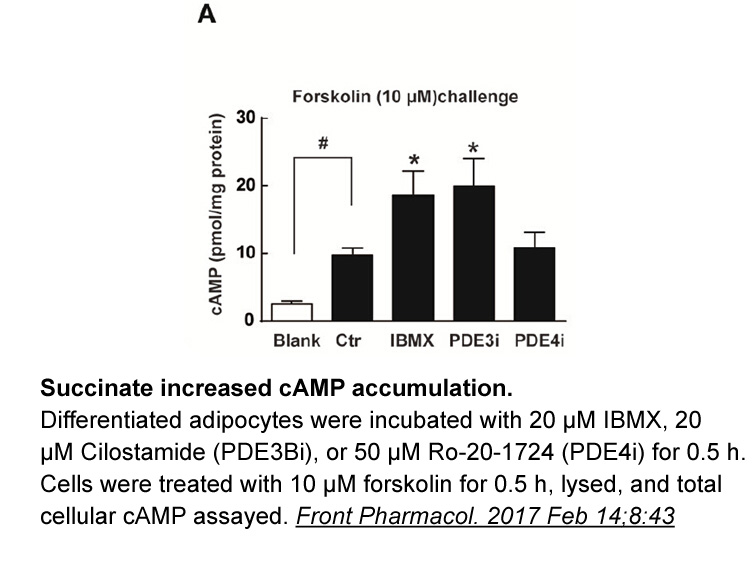
Current therapeutic protocols in OS and ES consist of neoadjuvant chemotherapy and local surgical resection, followed by adjuvant chemotherapy. These treatments lead to a 70% overall survival for localized disease but can decrease to 15% in case of metastasis. With CS being resistant to conventional
-
The reduction of the calcium response to
2020-07-20
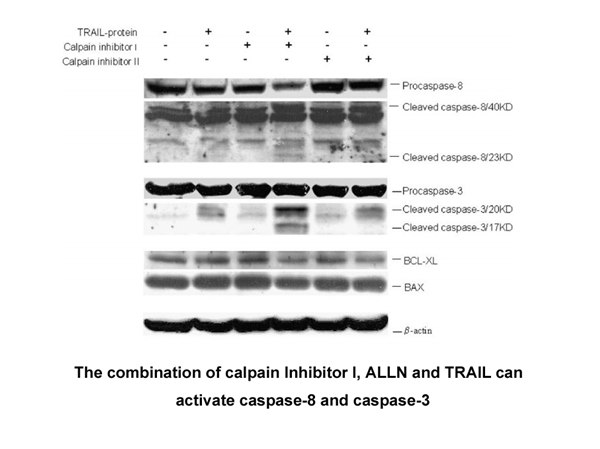
The reduction of the calcium response to AVP could be also due to a PKA-mediated effect of desensitization of IP3R, as described in rat megakaryocytes [41]. Furthermore, PKA activation inhibits intracellular Ca release in mouse pancreatic acinar cells [42] or in rat cerebellum [43]. The phosphorylat
-
br Introduction Rheumatoid arthritis RA is a chronic systemi
2020-07-20
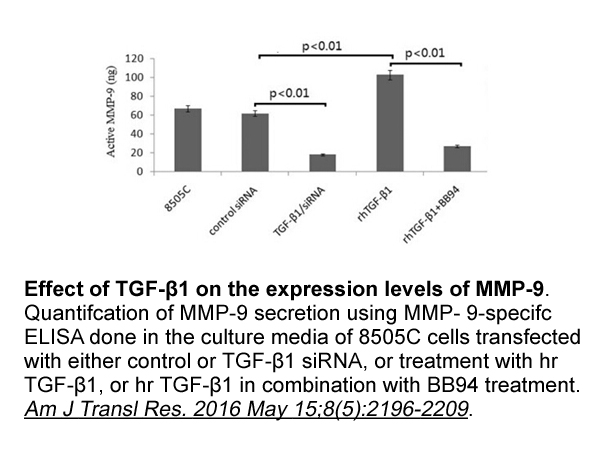
Introduction Rheumatoid arthritis (RA) is a chronic, systemic inflammatory disease that can be divided in at least two subsets based on the presence of antibodies to citrullinated proteins (ACPAs) [1]. Importantly, such ACPA target proteins [[2], [3], [4], [5]] also represent candidate autoantige
-
br Introduction Acylglycerol acyltransferases AGATs
2020-07-17
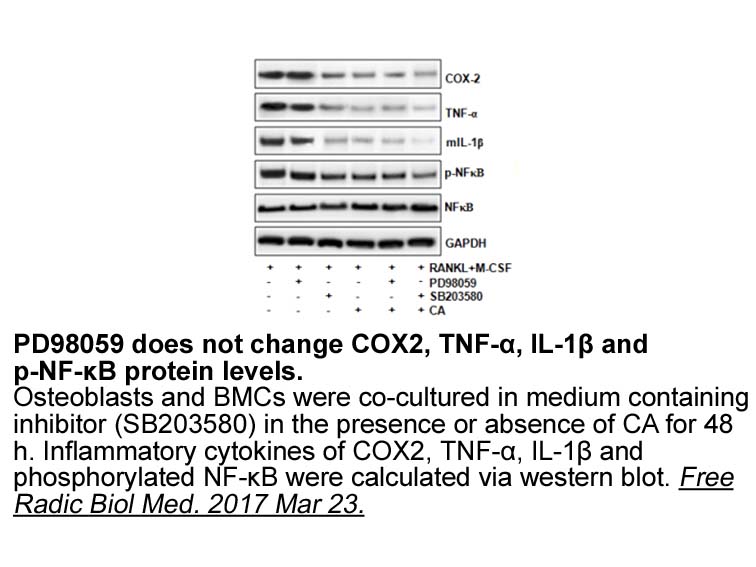
Introduction Acylglycerol acyltransferases (AGATs) are predominantly responsible for triglyceride synthesis in the body, via two major pathways: the glycerol phosphate (GP) pathway (Kennedy, 1957) and the monoacylglycerol (MG) pathway (see Coleman and Lee, 2004, Yen et al., 2008). The final step
-
Because aspirin and ibuprofen are NSAIDs both cause a
2020-07-17
Because aspirin and ibuprofen are NSAIDs, both cause a variety of adverse effects, including stomach ulcers, stomach bleeding, coagulation disorders, L-703,664 succinate sale and cerebral microbleeds [13]. Moreover, both cause liver damage [10]. Laster [14] reported a patient with pericarditis treat
-
Introduction Eicosanoid lipid prostaglandin D
2020-07-17
Introduction Eicosanoid lipid prostaglandin D2 (PGD2) is the major prostaglandin produced by activated mast A-740003 synthesis (Lewis and Austen, 1981). The physiological function of PGD2 is mainly mediated by two G protein-coupled receptors (GPCRs), PGD2 receptor 1 and 2 (DP1 and DP2), which share
-
Introduction Since the recognition of AIDS
2020-07-17
Introduction Since the recognition of AIDS in 1981 more than thirty-five years ago, nearly 70 million individuals have been infected with human immunodeficiency virus type 1 (HIV) and roughly half have died (http://www.unaids.org/en/resources/documents/2016/AIDS-by-the-numbers). Although the introd
-
br Acknowledgments This work was funded by the
2020-07-17

Acknowledgments This work was funded by the EU ERDF and the Spanish Ministry of Economy and Competitiveness (MINECO) under Project TIN2013-41576-R, and the Spanish Ministry of Education, Culture and Sport (MECD) under a FPU grant (AP2010-3259), and the Andalusian Regional Government (Spain) under
-
Phenylbenzofurans are a very important molecule skeleton due
2020-07-17
Phenylbenzofurans are a very important molecule skeleton due to their synthetic versatility and their proved pharmacological properties [2]. They are synthetic compounds in which an additional phenyl ring is present in any position of the benzofuran nucleus. This could be easily obtained possible by
-
Our previous high throughput screening HTS campaign using au
2020-07-17
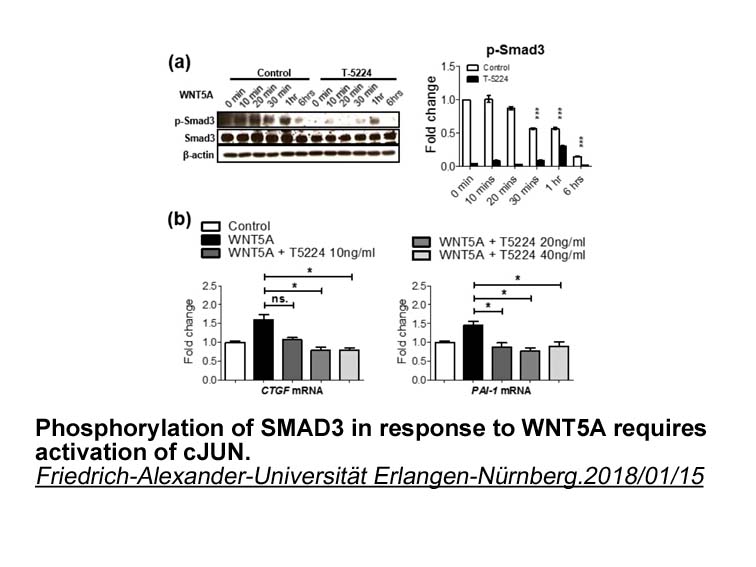
Our previous high-throughput screening (HTS) campaign using automated, robust, and sensitive fluorescence based Diperodon HCl assay [10], [11] led to the identification of several EPAC specific inhibitors (ESIs), and was subsequently followed by extensive hit-to-lead optimizations [20], [21], [22],
-
Little information is available regarding the expression of
2020-07-17
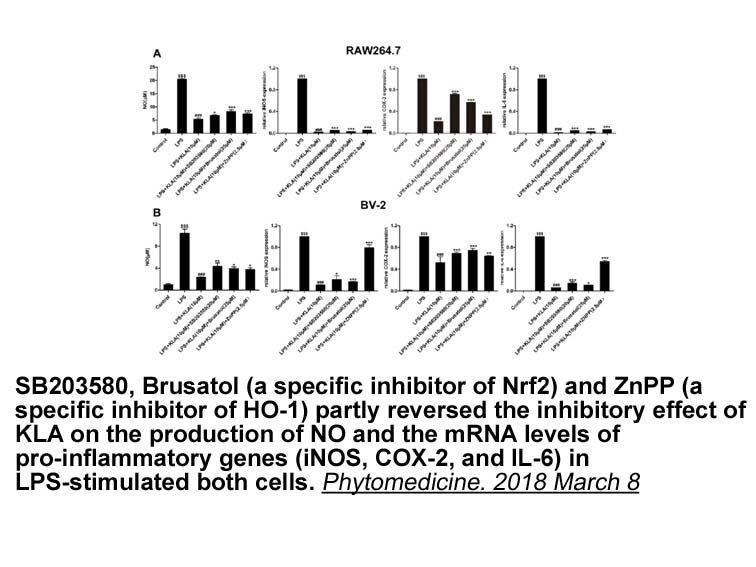
Little information is available regarding the expression of the different EP receptor subtypes on human monocytic cells, particularly those that are involved in downregulating cytokine production. The receptors are controlled by the respective genes for each receptor i.e. PTGER1–PTGER4 for EP1–EP4 r
14698 records 819/980 page Previous Next First page 上5页 816817818819820 下5页 Last page